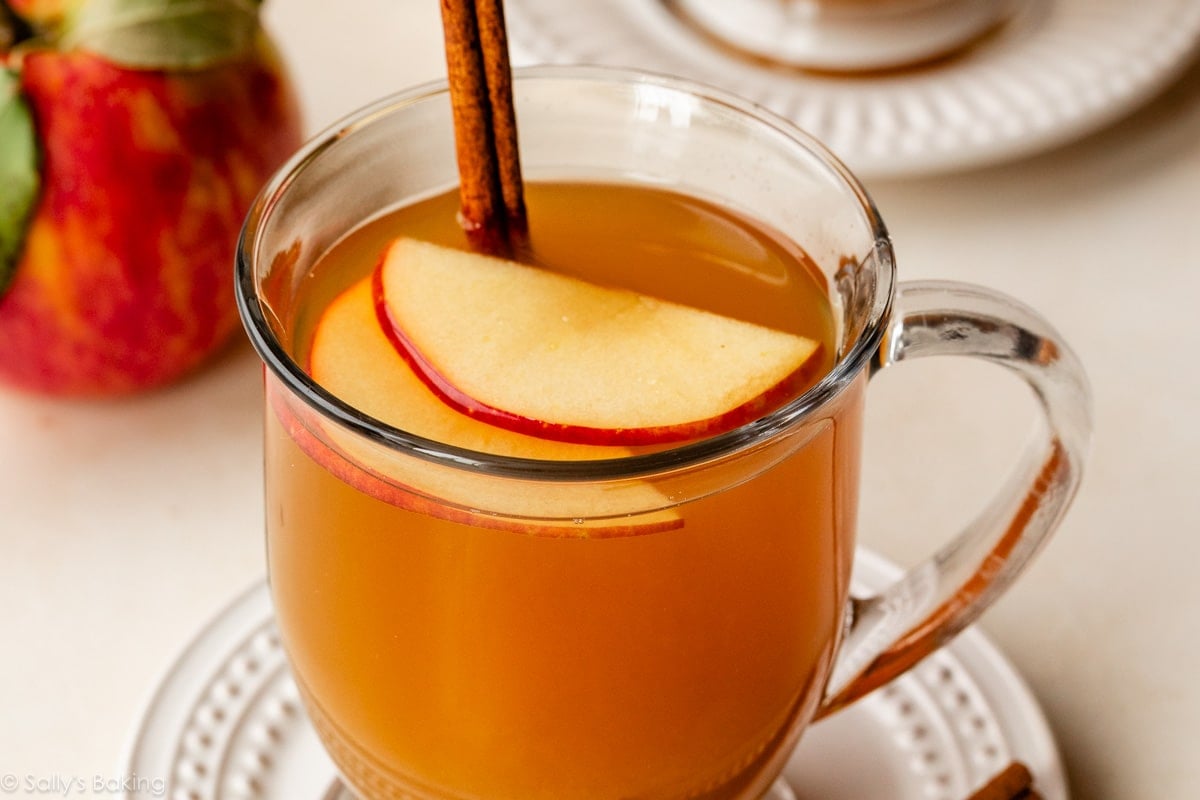
Make Apple Cider at Home: No Press Needed, Plus Versatile Uses
There's nothing quite like the warm, comforting embrace of spiced apple cider on a crisp autumn day. While store-bought options are readily available, creating your own homemade apple cider recipe is an experience that transcends mere taste – it’s a sensory journey that fills your home with an unparalleled fragrance and offers a truly customizable beverage. And the best part? You absolutely don't need a fancy apple press to achieve a delicious, rich, and authentic cider.
Forget the myth that homemade cider is a labor-intensive affair reserved for seasoned homesteaders. This guide will walk you through the simplest method, empowering you to brew up a batch of the best homemade apple cider you've ever tasted, all with equipment you likely already own. Get ready to transform humble apples into a liquid gold that's not only perfect for sipping but also incredibly versatile in the kitchen.
Why Make Homemade Apple Cider? The Irresistible Aroma and Taste
Beyond the simple satisfaction of DIY, making your own apple cider offers a host of benefits that make it well worth the minimal effort. The moment those apples and spices begin to simmer, your home will be infused with the quintessential scent of fall. It’s an aroma that evokes coziness, warmth, and nostalgic memories, instantly transforming your living space into a welcoming haven. This isn't just about a drink; it's about creating an atmosphere.
Flavor-wise, homemade trumps store-bought every time. When you make cider from scratch, you're in complete control of the ingredients. You can dictate the sweetness level, the blend of apples, and the intensity of the spices, tailoring it precisely to your palate. No more overly sugary or bland versions – just pure, unadulterated apple goodness. Plus, knowing exactly what goes into your cup, free from artificial flavors or preservatives, adds an extra layer of enjoyment and peace of mind.
Whether you’re seeking a comforting beverage after a day of apple picking, looking to use up a surplus of fruit, or simply want to impress guests with a unique seasonal treat, a homemade apple cider recipe is your answer. It’s a delicious, healthful, and wonderfully aromatic tradition waiting to be born in your kitchen.
The Easiest Homemade Apple Cider Recipe: No Press, No Problem
This method focuses on simplicity and maximum flavor extraction without specialized equipment. The key is allowing the apples to break down gently, releasing their juices and essence into the simmering water, which is then strained to perfection. You'll be amazed at how effortlessly you can create such a rich and complex drink.
Essential Ingredients for Your Cider
The beauty of this homemade apple cider recipe lies in its minimal ingredient list. You don't need much to create something truly spectacular:
- Apples: This is where the magic begins! For the most balanced and nuanced flavor, we highly recommend using a blend of sweet and tart varieties. Sweet apples like Gala, Fuji, Honeycrisp, or Golden Delicious provide a delightful sweetness, while tart apples such as McIntosh, Pink Lady, Granny Smith, or Empire add a crucial tangy counterpoint. A 50/50 mix often yields the best results, creating a complex cider that's neither too sweet nor too sharp. Feel free to experiment with what’s in season or what your local orchard offers. For more insights on choosing the best apples, check out our guide on Best Homemade Apple Cider: Apple Blends, Spices & Storage Tips.
- Water: Just enough to comfortably cover your quartered apples in the pot. This ensures proper simmering and flavor extraction without diluting the final product too much.
- Sweetener: Approximately ¾ cup of white sugar is a good starting point, but this is entirely adjustable. Depending on the sweetness of your chosen apples and your personal preference, you might need more or less. You can also experiment with brown sugar, maple syrup, or honey for different flavor notes.
- Spices: Cinnamon sticks and whole allspice berries are classic choices that impart that quintessential fall warmth. Other delightful additions include whole cloves, star anise, a few slices of fresh ginger, or even orange peel for a bright, citrusy lift that beautifully complements the apple flavor. Using whole spices makes straining much easier than ground versions.
Step-by-Step Guide to Crafting Your Cider
Making your cider is a straightforward process:
- Prepare the Apples: Wash your apples thoroughly. There’s no need to peel or core them! The skin adds fantastic color and flavor, and the cores will be strained out later. Simply quarter the apples, removing any bruised or damaged spots.
- Combine Ingredients: Place the quartered apples in a large stockpot or Dutch oven. Add your chosen spices. Pour in enough water to just cover the apples. Stir in your sugar.
- Simmer to Perfection: Bring the mixture to a boil over medium-high heat, then immediately reduce the heat to low, cover, and let it simmer gently for at least 2-3 hours. For an even deeper flavor, you can simmer for up to 4 hours. The goal is for the apples to become very soft and mushy, releasing all their juices and flavor into the liquid. Alternatively, you can make a batch of hot homemade apple cider in a slow cooker, allowing it to cook on low for 6-8 hours, filling your home with an incredible aroma all day long.
- Mash and Strain: Once the apples are thoroughly softened, remove the pot from the heat. Using a potato masher or a sturdy spoon, vigorously mash the apples right in the pot. This step is crucial for extracting every last drop of flavorful juice.
- Filter Your Cider: Place a fine-mesh sieve over a large, clean bowl or another pot. Line the sieve with cheesecloth for extra clarity if desired. Carefully pour the apple mixture into the sieve, allowing the liquid to drain through. Use the back of a ladle or spoon to press down on the cooked apple solids, squeezing out as much liquid as possible. Discard the solids.
- Taste and Adjust: Taste your freshly strained cider. This is your chance to adjust the sweetness or add a pinch more spice if you feel it needs it. If serving hot, return it to a clean pot and gently reheat.
Pro Tips for the Best Flavor
- Don't Skimp on Simmer Time: While 2 hours is good, 3-4 hours on a low simmer will yield a much richer, more concentrated flavor profile. Patience is key here.
- Mash Thoroughly: Really get in there and press those apples! You want to extract every ounce of juice and flavor.
- Consider Citrus: Adding a few orange or lemon slices (or just the peel) during the simmering stage can brighten the flavor and add a lovely aromatic complexity.
- Toast Your Spices: For an extra depth of flavor, you can lightly toast whole spices in a dry pan for a minute or two before adding them to the pot.
Beyond the Mug: Versatile Uses for Your Homemade Apple Cider
While a warm mug of spiced cider is undeniably heavenly, your homemade brew is capable of so much more! Its sweet, tangy, and spiced profile makes it an incredibly versatile ingredient in both sweet and savory applications.
- Culinary Masterpiece: Use apple cider as a base for marinades for pork or chicken, adding tenderness and flavor. Reduce it to create a glistening glaze for roasted meats, or use it as a braising liquid for pulled pork or tender short ribs. It makes an excellent addition to autumn soups and stews for a touch of unexpected brightness. You can even use it in vinaigrettes for fall salads.
- Baking Brilliance: Elevate your baked goods by incorporating cider. Instead of just making apple cider donuts or muffins (which are fantastic!), try using it as a liquid component in apple pies, tarts, or even a spiced apple cake. A splash of cider can also enhance the flavor of glazes and frostings. Imagine apple cider-infused caramel sauce!
- Breakfast Boost: Beyond apple cider French toast, stir a dash into your oatmeal, pancake batter, or waffle mix for a seasonal twist. It pairs beautifully with cinnamon and nuts.
- Cocktail and Mocktail Creations: Homemade apple cider is an ideal mixer. Craft festive apple cider sangrias (try a honeycrisp apple sangria for extra flair!), mimosas (substituting cider for orange juice), or use it as a base for mulled wine. For non-alcoholic options, combine it with sparkling water, ginger ale, or even a splash of cranberry juice for delightful spritzers.
- Holiday Hosting and Gifting: Serve a big batch of hot cider at your next fall gathering – it's a guaranteed crowd-pleaser and makes your home smell incredible. Bottle some up in decorative jars and gift it to friends, family, or neighbors for a thoughtful, homemade present.
Storage Savvy: Keeping Your Cider Fresh
Once you’ve gone to the effort of making a delicious batch of homemade apple cider, you’ll want to ensure you can enjoy it for as long as possible. Proper storage is key.
- Refrigeration: For immediate enjoyment, store your cooled apple cider in a tightly covered pitcher or jar in the refrigerator. It will stay fresh and delicious for up to one week. The flavors may even deepen slightly over a day or two.
- Freezing for Long-Term: This is an excellent option if you've made a large batch or want to enjoy cider throughout the winter. Pour the cooled cider into freezer-safe containers, leaving about an inch of headspace at the top, as liquids expand when frozen. Freezer-safe plastic containers, glass jars (ensure they are freezer-safe and designed for liquids), or even heavy-duty freezer bags are good options. Label and date your containers. Frozen apple cider can be stored for up to one year. Thaw it in the refrigerator overnight or gently reheat it on the stovetop.
- Canning: For the most extended shelf life and shelf-stable storage, you can can your apple cider. This process involves sterilizing jars and hot-packing the cider, then processing it in a boiling water canner. While a more involved process, properly canned cider can last for years. If you're interested in canning, be sure to follow reputable canning guidelines from sources like the USDA.
Making your own homemade apple cider recipe is a rewarding culinary adventure that brings the true essence of autumn into your home. With simple ingredients and no special equipment required, you can create a personalized, aromatic, and incredibly versatile beverage that far surpasses anything you'll find in a store. From comforting sips to innovative dishes, your homemade cider will become a cherished fall tradition. So grab some apples, gather your spices, and get ready to fill your home with the irresistible scent and taste of fall.
