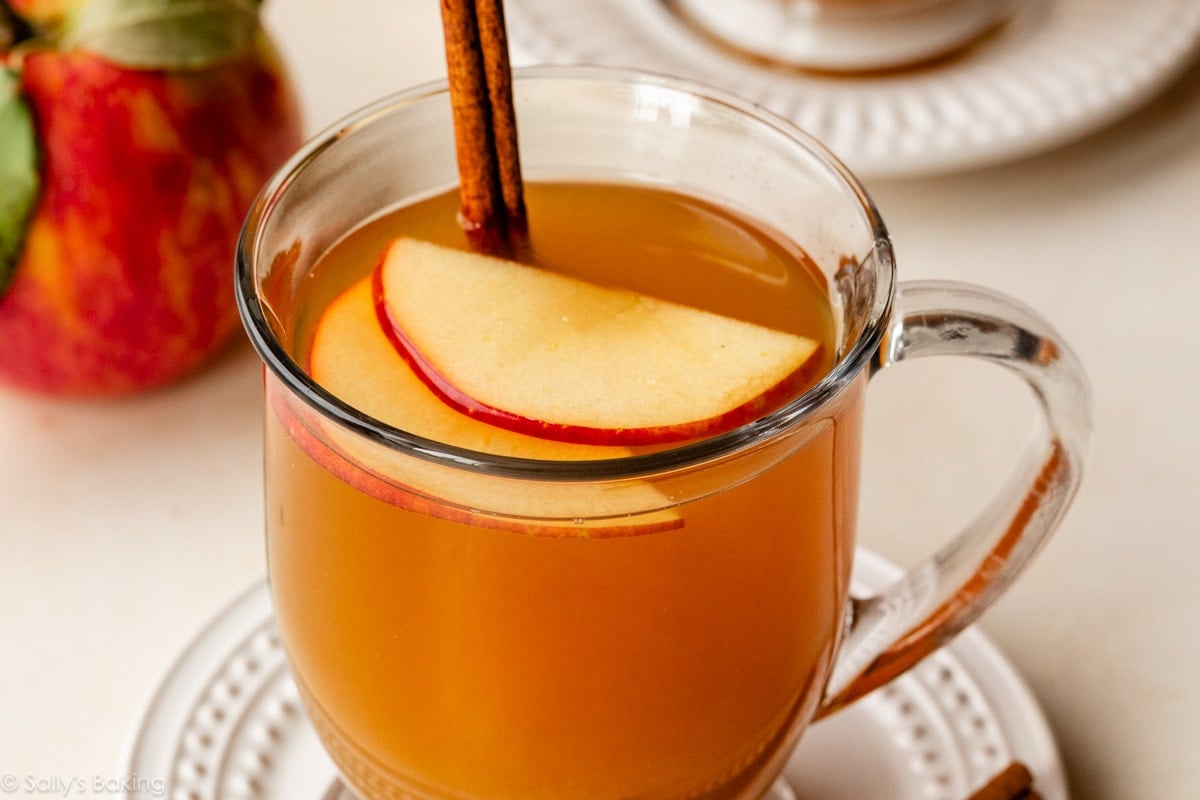
Unlocking Autumn's Best: Your Guide to the Best Homemade Apple Cider
There's something undeniably magical about the scent of warm spices mingling with sweet apples that instantly transforms a home into a cozy autumn haven. While store-bought options are convenient, nothing quite compares to the rich, robust flavor of a truly authentic
homemade apple cider recipe. Imagine controlling every ingredient, from the precise blend of apples to your preferred level of sweetness and spice – that's the joy of crafting your own. And the best part? You don't need any fancy equipment like an apple press to achieve a truly spectacular result.
Making a batch of homemade apple cider is surprisingly simple, requiring no special equipment like an apple press. This comprehensive guide will walk you through everything you need to know, from selecting the perfect apples to mastering the art of spicing and ensuring your cider stays fresh, so you can enjoy this comforting beverage all season long. If you're looking for an even deeper dive into the process and versatile uses, check out our guide on
Make Apple Cider at Home: No Press Needed, Plus Versatile Uses.
The Magic Behind the Blend: Choosing Your Apples
The foundation of any great cider is, of course, the apples. While you might be tempted to use a single variety, the secret to a truly balanced and complex flavor profile lies in blending. Think of it like a symphony – different apple varieties play different notes, creating a richer overall experience.
Sweet vs. Tart: Finding Your Perfect Harmony
*
For Sweet Cider Lovers: If your palate leans towards a sweeter, fruit-forward cider, opt for varieties like
Gala,
Fuji,
Honeycrisp, or
Golden Delicious. These apples bring a natural sweetness that shines through, requiring less added sugar.
*
For Tart & Tangy Fans: Prefer a cider with a crisp, tangy bite? Look for apples such as
McIntosh,
Granny Smith,
Pink Lady, or
Braeburn. Their higher acidity provides a refreshing zing that cuts through sweetness.
*
The Best of Both Worlds: For a perfectly balanced cider that offers both sweetness and a delightful tartness, a blend is absolutely essential. A good rule of thumb is to use an equal mix of sweet and tart varieties. For example, combine Fuji (sweet) with McIntosh (tart), or Honeycrisp (sweet-tart) with a Granny Smith (tart). This creates depth and prevents the cider from being one-note.
Don't Peel, Don't Core: Maximizing Flavor and Color
One of the easiest tips for making the best homemade apple cider is to
resist the urge to peel or core your apples. The skins are packed with flavor compounds, natural pectin, and contribute significantly to the beautiful amber color of your finished cider. The cores, while not typically eaten, also contain flavor and will be strained out later, so there's no need for the extra effort. Simply give your apples a good wash, quarter them, and you're ready to go! This approach also ensures you capture all the natural goodness and nutrients from the entire fruit.
Crafting Your Signature Flavor: Spices and Sweetness
Once you've chosen your apples, the next step in creating your ultimate
homemade apple cider recipe is to infuse it with heartwarming spices and adjust the sweetness to your liking. This is where you truly make the cider your own.
Essential Spices and Creative Twists
Traditional homemade apple cider often features a comforting blend of:
*
Cinnamon: Whole cinnamon sticks (not ground) are preferred for a gentler, more authentic infusion without clouding the cider.
*
Allspice: Whole allspice berries offer a complex flavor reminiscent of cloves, cinnamon, and nutmeg.
But don't stop there! Feel free to experiment and create your unique spice blend:
*
Cloves: Add a few whole cloves for a warm, pungent note.
*
Star Anise: A couple of star anise pods can introduce a beautiful, subtle licorice-like aroma.
*
Nutmeg: A pinch of freshly grated nutmeg can enhance the overall warmth.
*
Ginger: A few slices of fresh ginger root can add a lovely spicy kick.
*
Citrus Peel: As mentioned by many culinary experts, a little citrus, such as orange or lemon peel (avoiding the bitter white pith), can beautifully balance the apple flavor and complement the spices.
Sweetness to Your Taste
The reference suggests ¾ cup of white sugar, which is a great starting point. However, the amount of sugar you add should ultimately depend on the sweetness of your apples and your personal preference.
* Start with the recommended amount.
* Taste the cider after it has cooked and been strained.
* If it needs more sweetness, you can dissolve additional sugar, maple syrup, or brown sugar into the warm cider until it reaches your desired level.
* For a healthier option, some prefer to rely solely on the natural sweetness of the apples, especially if using a higher proportion of sweet varieties.
The Simple Steps to Delicious Homemade Apple Cider
Making your own homemade apple cider is a surprisingly straightforward process that yields incredibly rewarding results. Here's a simplified breakdown:
1.
Prepare Your Apples: Wash about 8-10 medium-sized apples (enough to fill a large pot). Quarter them – no need to peel or core!
2.
Combine Ingredients: Place the quartered apples in a large stockpot. Add your chosen spices (cinnamon sticks, allspice berries, etc.) and ¾ cup of white sugar (or your preferred sweetener).
3.
Add Water: Pour in enough cold water to just cover the apples. This is crucial for extracting maximum flavor without diluting the cider too much.
4.
Simmer to Perfection: Bring the mixture to a boil over high heat, then reduce the heat to low, cover, and let it simmer for at least 1-2 hours, or until the apples are very soft and mushy. The longer it simmers, the deeper the flavor will be. If you have a slow cooker, this step can be done beautifully over 3-4 hours on high or 6-8 hours on low, filling your home with an intoxicating aroma.
5.
Strain and Press: This is a critical step for a clear, flavorful cider.
* Carefully pour the cooked apple mixture through a fine-mesh sieve or a colander lined with cheesecloth set over a large bowl or another pot.
* Using a sturdy ladle or potato masher, press firmly on the cooked apples and solids in the sieve to extract every last drop of juice. Don't be shy here; this is where a lot of the flavor is concentrated!
* Discard the leftover apple pulp.
6.
Taste and Adjust: Taste your freshly made cider. At this point, you can add more sugar if desired, or a squeeze of lemon juice to brighten the flavors.
Your homemade apple cider is now ready to enjoy! Serve it warm in mugs for a comforting treat, or chill it to serve cold over ice. Whether you're enjoying a cozy mug by the fire or experimenting with culinary creations, a great
Homemade Apple Cider: Easy Recipe for Delicious Fall Flavor starts with the right approach.
Storing Your Homemade Apple Cider: Freshness All Year Round
One of the great advantages of making your own
homemade apple cider recipe is the ability to store it and enjoy the taste of autumn well beyond the season. Proper storage ensures your hard work doesn't go to waste.
Short-Term Storage: Refrigeration
Once your cider has cooled to room temperature, pour it into a tightly covered pitcher or jar. Store it in the refrigerator, where it will remain fresh and delicious for up to one week. The flavors may even deepen slightly over a day or two.
Long-Term Storage: Freezing for Future Enjoyment
Freezing is an excellent method for preserving homemade apple cider, allowing you to savor its taste for up to a year.
1.
Cool Completely: Ensure the cider is completely cooled before freezing. Warm liquid can crystalize oddly and lower freezer efficiency.
2.
Portion It Out: Pour the cooled apple cider into freezer-safe containers. This could be plastic containers, glass jars (ensure they are freezer-safe and designed for liquids), or even heavy-duty freezer bags.
3.
Leave Headroom: Remember to leave about an inch or two of space at the top of the container. Liquids expand as they freeze, and leaving this "headroom" prevents your containers from cracking or bursting.
4.
Thaw and Enjoy: When you're ready to enjoy, simply transfer the frozen cider to the refrigerator to thaw overnight, or use the defrost setting on your microwave for quicker thawing. Gently reheat on the stovetop if you prefer it warm.
Canning (Advanced Option)
For those experienced in food preservation, canning is another viable option for very long-term, shelf-stable storage. While this guide doesn't delve into the specifics of canning, it's worth noting as a method for keeping your homemade cider fresh for even longer periods at room temperature. Always follow tested and approved canning guidelines for safety.
Beyond the Mug: Creative Uses for Your Homemade Cider
Your delicious
homemade apple cider recipe isn't just for sipping! Its rich, spiced flavor makes it an incredibly versatile ingredient in the kitchen.
*
Cocktails & Mocktails: Use it as a base for fall-themed cocktails like apple cider sangria (with white wine, sliced apples, and cranberries) or a spiked hot cider with a shot of rum or bourbon. For a non-alcoholic treat, mix it with sparkling water.
*
Baking Delights: Incorporate cider into your baking. It can add moisture and a lovely autumn flavor to apple cider donuts, muffins, quick breads, or even apple cider French toast.
*
Savory Dishes: Don't limit it to sweets! Apple cider can be a fantastic addition to marinades for pork or chicken, glazes for roasted vegetables, or even deglaze a pan after searing meat for a flavorful sauce.
*
Seasonal Soups & Stews: A splash of cider can add depth and a hint of sweetness to butternut squash soup or a hearty fall stew.
Conclusion
Crafting your own homemade apple cider is a delightful and rewarding experience that brings the true essence of autumn into your home. From selecting the perfect blend of sweet and tart apples to infusing it with your favorite spices and knowing how to store it, you now have all the tools to create a beverage that far surpasses anything you'll find in a store. It's an easy, economical, and incredibly delicious way to celebrate the season. So, gather your apples, embrace the warmth of the simmering spices, and make this simple yet spectacular
homemade apple cider recipe an annual fall tradition.